More electrical myths busted
Fact or fiction? Electrician myths explained Pt 2
Back in April last year, we covered some of the myths around electricians and electrical safety; but it seems there’s no shortage of misconceptions surrounding the industry.
This week, we’re busting more myths surrounding electrical safety law and your obligations as a homeowner or landlord.
Plastic fuseboxes (aka ‘consumer units’) are now dangerous and/or illegal: false
You might have heard this one from fellow homeowners/landlords or even your own electrician. The myth of illegal plastic fuseboxes has arisen due to the ever-changing BS7671 regulations around wiring safety, which – as of the IET’s latest 18th edition – recommend installing consumer units made from non-combustible materials or enclosed within non-combustible cases.



In plain english?
It means any new fusebox installed within a new property build, or installed as a replacement to an existing fusebox within an existing property, should be made of metal rather than plastic.
In the event of a fire inside your fusebox, a metal ‘consumer unit’ is more effective at preventing the fire from spreading.
What it doesn’t necessarily mean is that you must urgently replace your existing plastic consumer unit. As we covered in our guide to electrical safety certificates any safety issues identified during an EICR inspection are listed in your report under different codes.
If you have a plastic consumer unit located in a particularly hazardous spot that could prevent you from escaping a fire (such as underneath the stairs), it will simply be listed as a C3 (which means it doesn’t comply with current regulations and improvement is recommended, but not required).
Your plastic fusebox could be reported as a C2 or C1 fault, which means it fails safety requirements and requires urgent remedial work. But that’s only if there’s a separate safety issue related to the age and/or design of your unit, such as exposed wires on the unit or a lack of RCD protection on your bathroom circuit.
In these cases, getting a new ‘18th edition compliant’ metal fusebox is often more feasible and affordable than trying to modify your existing plastic unit.
Be sure to check your EICR report carefully, and don’t be afraid to press your electrician for more information if they’ve listed your fusebox as a C1 or C2. There might be a legitimate safety problem; but if they’re failing your unit simply for being plastic instead of metal, they’re either mistaken or trying to pull a fast one…
Homeowners need to ensure their properties meet a minimum energy efficiency rating: false
First off, let’s quickly explain what energy efficiency ratings actually mean.
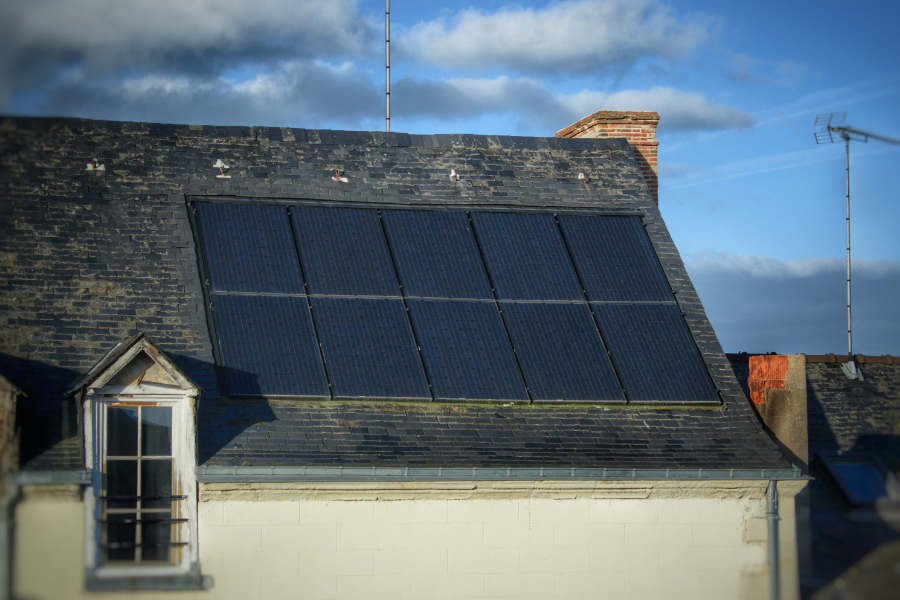
An energy performance certificate (or EPC) provides an assessment of a particular building’s energy efficiency; including an estimate of the property’s costs for heating, hot water and power.
Getting an EPC requires hiring an energy assessor, who will carefully inspect the property and give you their verdict on its energy efficiency. EPCs rate properties on a scale from ‘A’ (the highest energy efficiency rating) down to ‘G’ (the lowest).
Of course, it’s good to have a property that sits at the higher end of the EPC rating scale; both for the planet and for your utility bills. But perhaps you’ve heard rumours that your home needs to achieve a certain rating to remain in compliance with the law. Is this true? And what happens if your home doesn’t meet the rating?
Don’t worry; there’s no requirement for your humble abode to achieve a minimum rating. In fact, domestic properties don’t require an EPC at all.
As a homeowner, the only time the law says you’ll need one is if you decide to put your house up for sale, where an EPC will offer vital information about the efficiency and running costs of your property to potential buyers.
Your EPC can be arranged through your estate agent; and as of 2022, there’s currently no minimum rating your domestic property must achieve in order to go on the market.
Minimum EPC ratings are a requirement for rental properties, however; and under proposed rules, the minimum threshold could be set to increase in the coming years.
We’ll be putting together a more extensive guide to EPCs in the near future; so if you’re a landlord, watch this space!

Older properties always require rewiring: false
This is another myth that you might have heard directly from your electrician. If your property is particularly old and hasn’t been rewired in a long time, some electricians will refuse to work on any part of your electrics without insisting on a full rewire of the house; they might eve
But stripping out and replacing all the wires in your property can be very costly, time-consuming and disruptive; and what’s more, it may be completely unnecessary.
Ask yourself:
- Are you experiencing any significant problems with your property’s electrics? Recurring issues such as flickering lights, tripped circuits etc. could be caused by damaged wiring and/or an older electrical system that isn’t up to modern consumer electrical demands.
- Are there any obvious signs of damage and/or hazards within your home’s electrical equipment (such as exposed wiring or cracked fuseboxes)?
- Is your property lacking the electrical infrastructure you need? For example, are you relying on extension leads throughout the building because you don’t have enough sockets for all your appliances?
If the answer to any of these questions is ‘yes’, then your electrics may need some work; but even then, you might just need some basic upgrades or repairs rather than a full rewire.
In any case, getting an EICR test and inspection will uncover any safety issues with your wiring that might need attention.
And just like EPCs, we’ll be posting a full overview of home rewiring on the JC Electrical blog very soon; including information on costs, benefits of rewiring, and what to expect when your electrician visits. Keep an eye out!
Whether it’s a rewiring project, an EICR safety inspection or a new fusebox installation; the expert West London electrical contractors JC Electrical UK can do it all.
Call us on 0208 839 9561 or email info@jcelectric.co.uk and get a quote for your electrical project today.
NICEIC Approved Electricians + Registered Competent Person